The learning curve
Day one: motorways and coast roads feel Germanic in quality. Day two: mountain switchbacks teach second-gear rhythm — use miradors to release faster locals (they wave thanks; it's nice). Buses on the Masca road get radioed passing spots; follow their lead, never squeeze.
Quirks that matter
Zebra crossings are sacred — locals stop fully. Yellow lines mean no parking ever; blue means paid zones (apps or meters). Roundabout inner-lane exits cause the only common tourist scrapes: outer lane unless overtaking within. GPS shortcuts through barrancos lie — trust signed routes.
- Rain (rare) lifts months of oil film: first-hour grip vanishes — slow down.
- Goats have absolute right of way, legally and philosophically.
- Fuel before mountains; stations cluster on coasts.
FAQ
Is the Masca road as scary as they say?
It's narrow, hairpinned and shared with buses — demanding, not dangerous, driven patiently. Passengers cry at the beauty, drivers at the concentration; swap at the top.
Can I take a rental to Teide?
Of course — it's a normal (spectacular) public road. Snow chains required perhaps two days a year (verify conditions in winter).
Related guides
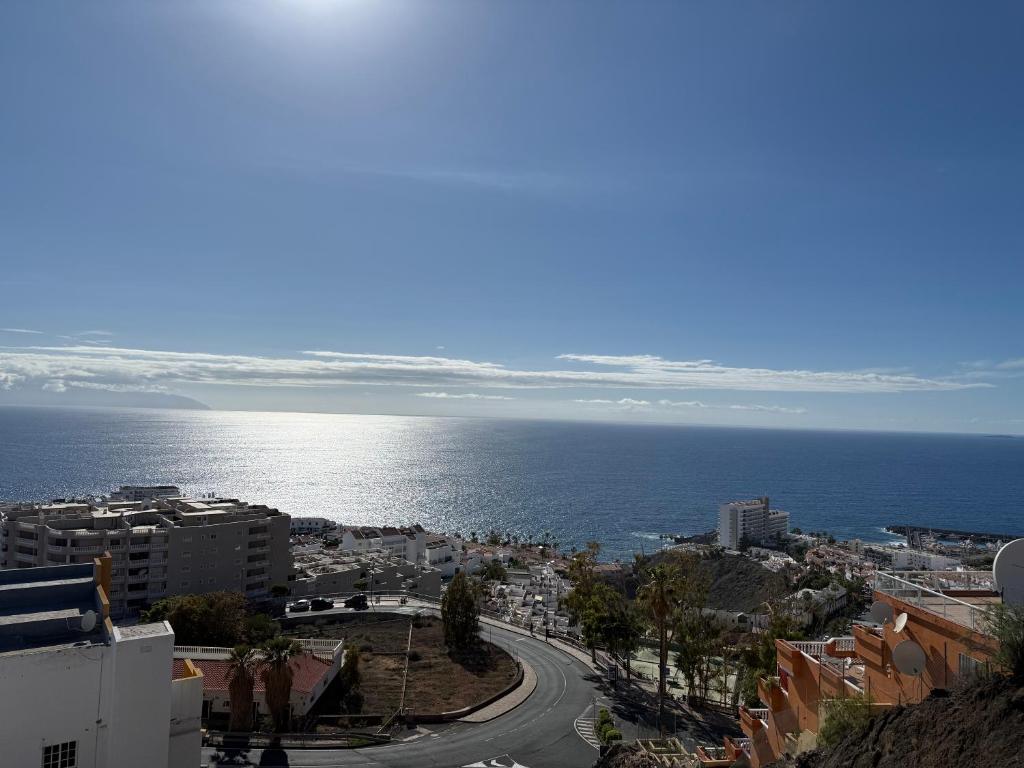
Tenerife airport transfers — getting to Puerto de Santiago
Tenerife South Airport → Los Gigantes: every option
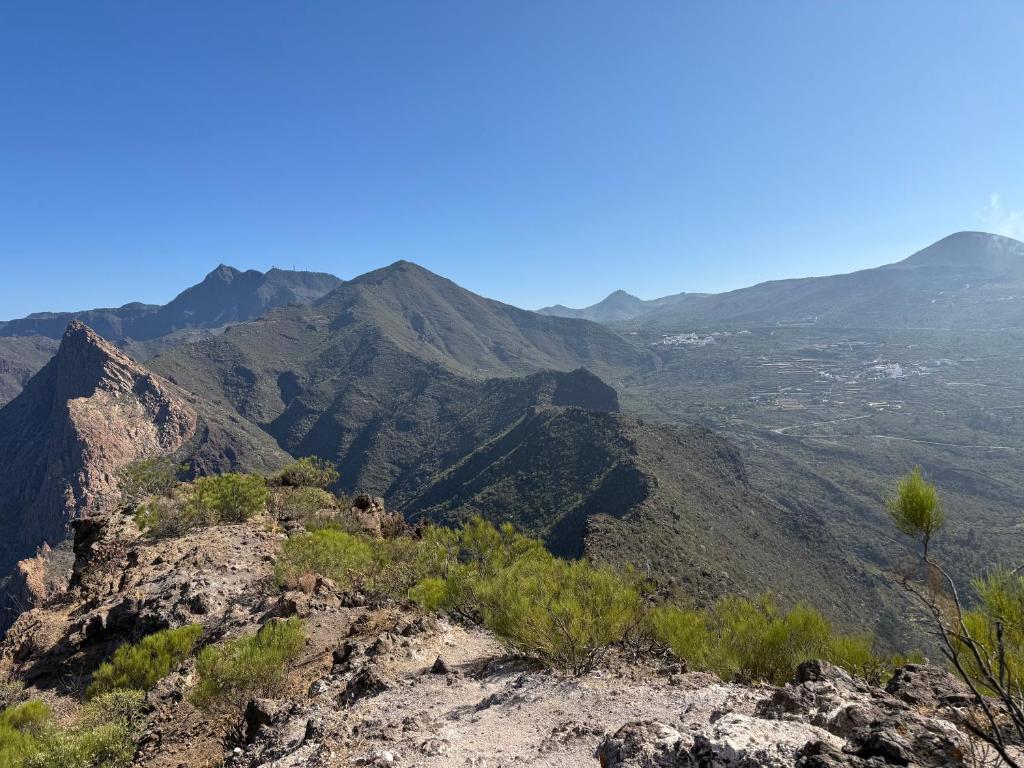
Tenerife North Airport → Los Gigantes
Stay at Gigantes View Studio
Ocean-view studio in Puerto de Santiago — 8.5/10 on Booking.com, location rated 9.7. Book direct for the best rate.
Check availabilityLast updated: 2026-08-07 · Written by your hosts Jan & Lucie · Sources: local experience, official tourism data. Prices & hours drift — verify big-ticket details before you build a day around them.